



One of the first questions every visitor to Ukraine asks is, “How quickly can I get to the bomb shelter?” I have been here enough times to add: “…and how good is the Wi-Fi?”
Hotels are different in Ukraine. Their chief selling point is not the breakfast buffet or the rooftop view. It is the basement. That is where you go when Russian drones and missiles begin to rain down.
In my early visits, I spent long hours underground. Over time, I adopted the stoicism of my Ukrainian friends, anticipating the wail of air raid sirens not with fear but with resignation. In Kyiv, where the defenses are superb and the hotel beds comfortable, I sleep through most alerts. But one night in Odessa changed that.
It was two days after Operation Spiderweb, when Ukrainian intelligence used suicide drones to destroy nearly a third of the Russian bombers terrorizing their cities. In anger, Putin unleashed a furious wave of attacks.
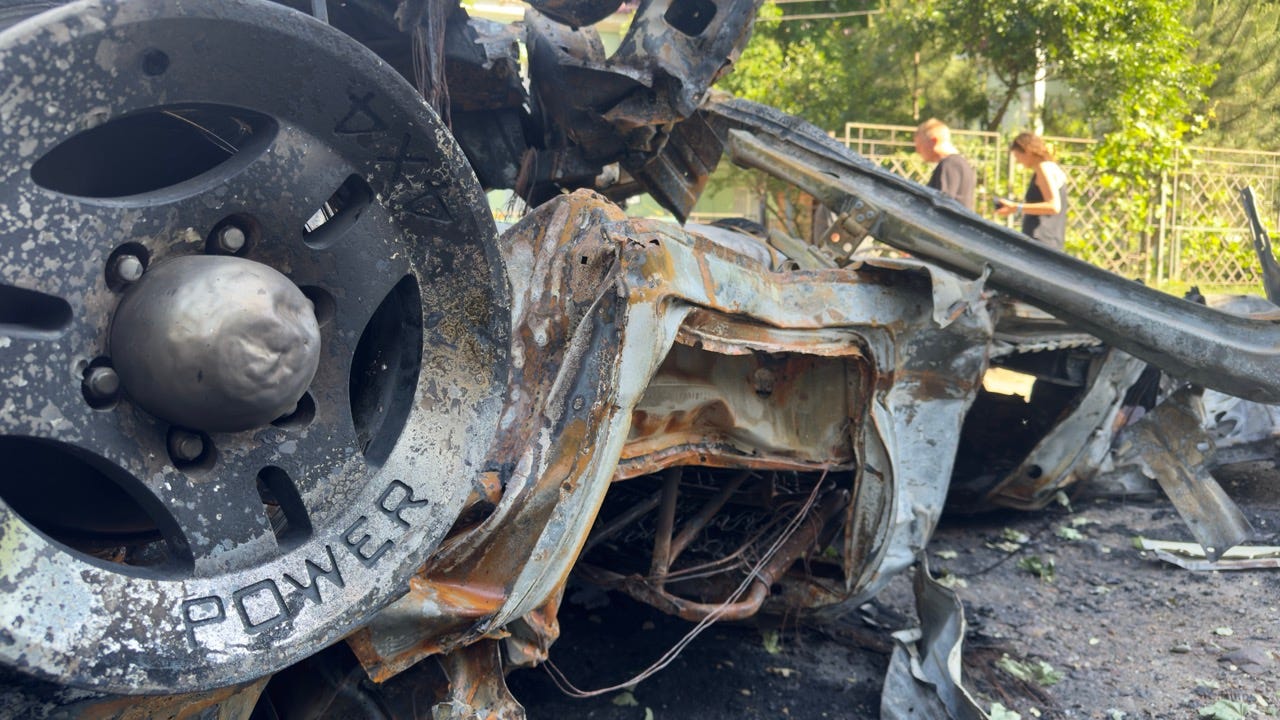
That first night, I was pinned down with a Ukrainian kamikaze drone team beneath the ruins of a bombed-out apartment block near the Dnieper River. During a pause in the assault, we slipped away in a pickup with its lights off, racing across shattered streets. As we crossed the final bridge, our drone detector screamed its warning, indicating an approaching Russian craft. The wreck of another vehicle, struck earlier, smoldered on the roadside.
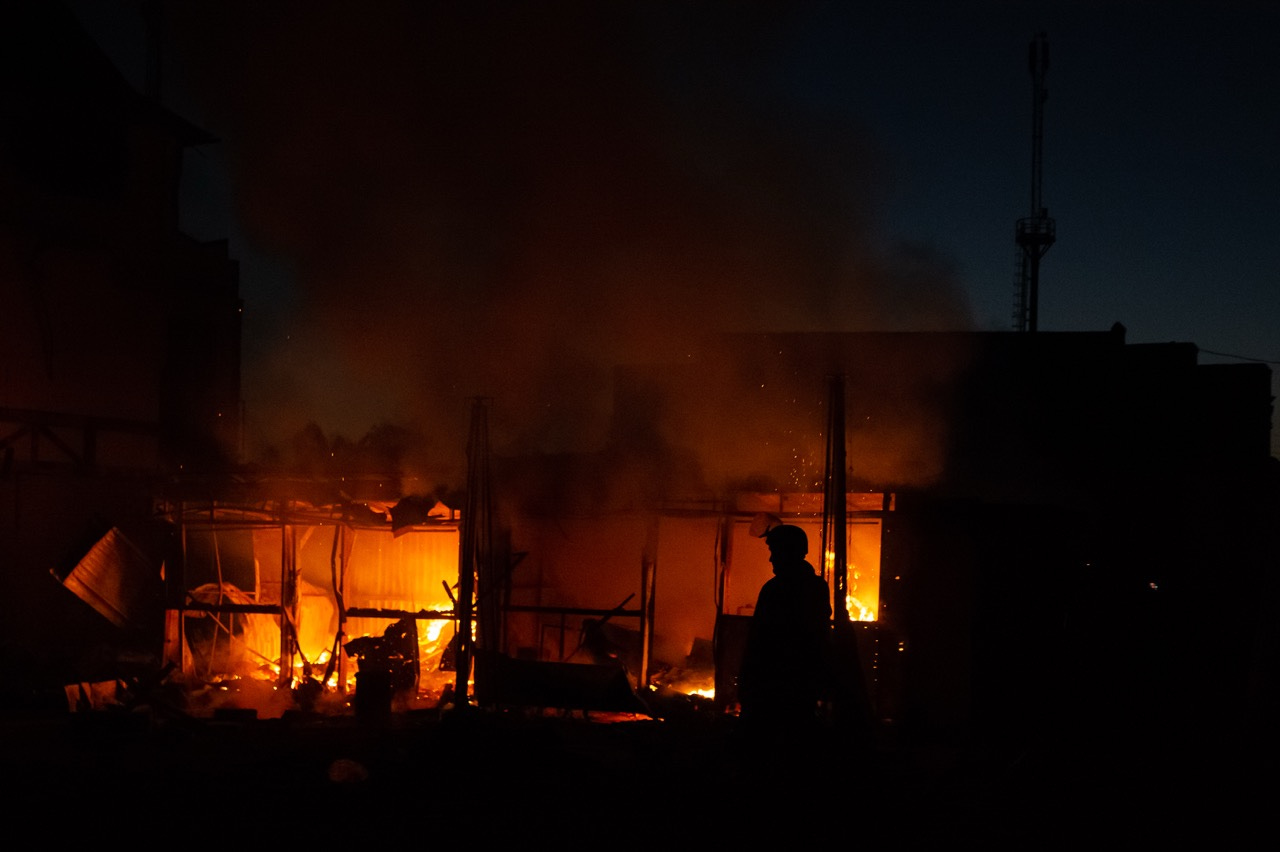
Once clear, my interpreter and I decided to press on toward Odessa, arriving at 3 a.m.—just in time for the city’s largest raid of the war. “Shaheds” buzzed overhead as air defenses opened fire. The sound of these flying bombs tells you where they will land: a sudden rise in pitch means the dive has begun. That night, the Doppler whine of their engines climbed so high they drowned out the warning sirens.
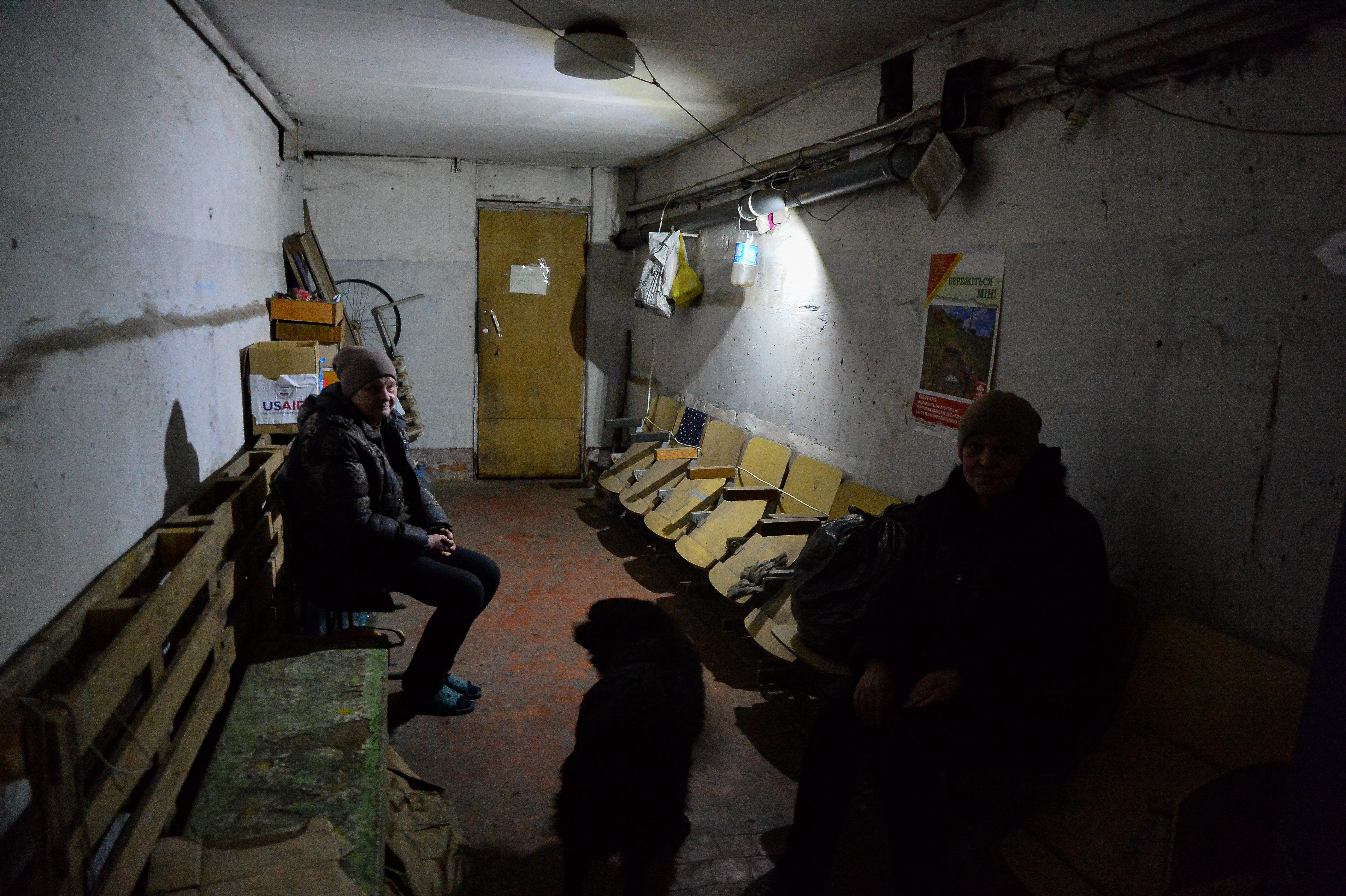
And so, once again, the basement. This time, beneath the “Wine and Pillow Hotel,” accompanied by the full complement of guests. This attack, all agreed, was not one to sleep through. Yet their Ukrainian stoicism remained, leavened by humor. A toilet flushed above, rattling pipes and shaking walls, scaring both the children and the Americans cowering below. Our fellow basement-dwellers reassured us. “Not a Shahed,” someone said. “Just sh!t.”
Basements hold a special place in the history of the Ukrainian people. In a largely agrarian society, cellars preserved food through lean winters. That tradition remains. But today, “the basement” has come to mean something else entirely.
I first saw this in Izium, speaking with a pastor who shepherded his congregation through nine months of occupation. At the war’s onset, they sheltered beneath their church with food, water, and medicine. A Russian bomb destroyed the sanctuary above, yet everyone below survived. Winter came, and without electricity they would have frozen—except that the smoldering timbers of the church above radiated warmth into the cellar.
Other basements offered no such redemption.
Viktor, once an aid worker, was seized by Russian soldiers for the smallest of crimes: bringing food to his neighbors. His family was told he had been “taken to the basement,” a phrase that now means torture. In the darkness, Viktor was wired to a generator. Electrocution, he told me, is the Russians’ favored method. It leaves no marks but seizes every muscle in silent agony. When the current stops, the victim lies incapacitated, bowels released, body broken.
Miraculously, Viktor emerged from the basement after several weeks. His interrogators simply tired of him. He was not a soldier, and so had no value in a potential prisoner exchange. His captors waved him out the door—not out of mercy, but out of indifference.
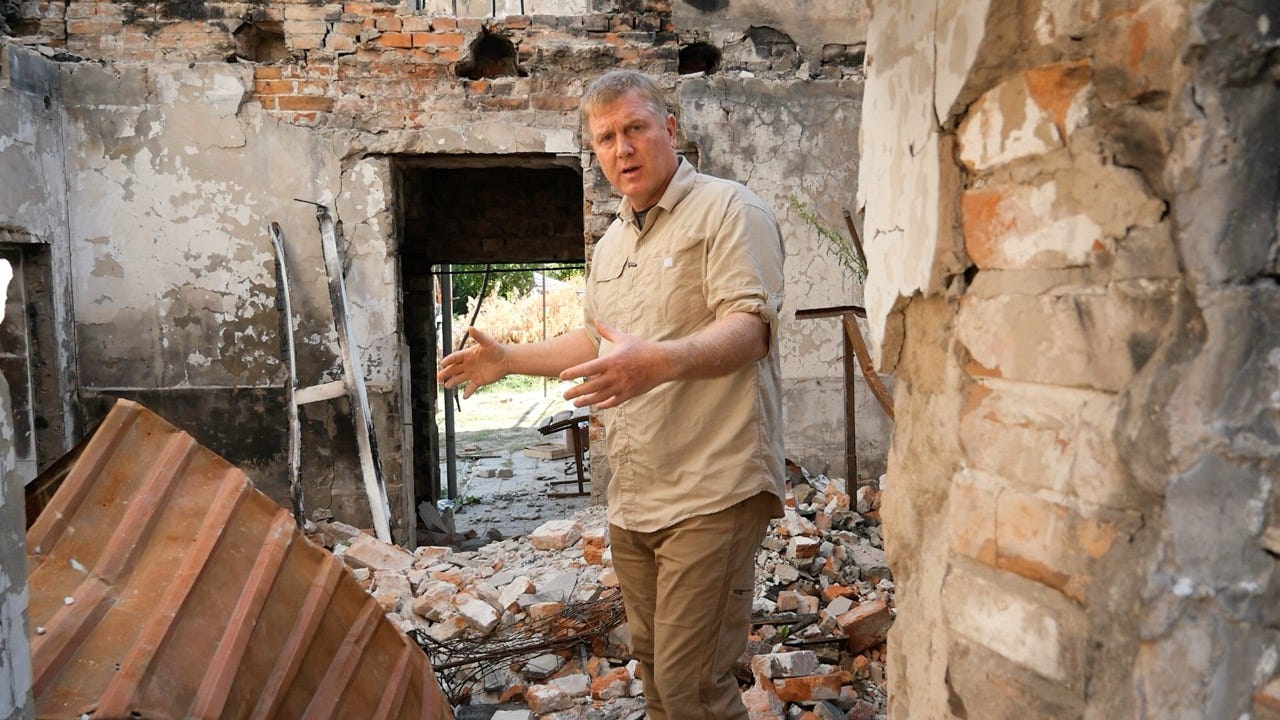
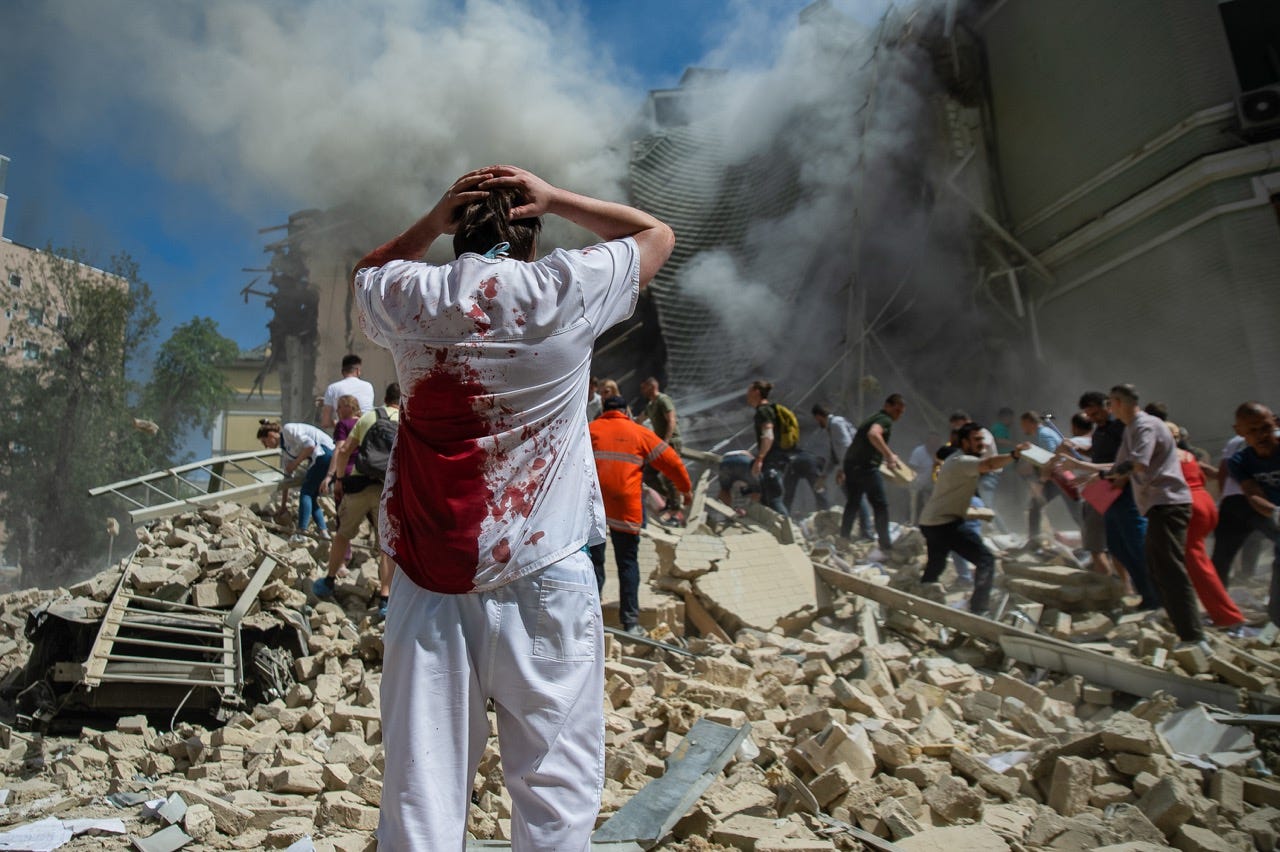
Ukraine’s soldiers face harsher fates. Shaun Pinner, a Briton who joined the Ukrainian military to defend his family in Mariupol, was captured after his commander ordered survivors to break through to friendly lines. Days into the trek, Shaun stumbled into enemy hands. Outnumbered, he raised his arms. A Russian soldier drove a knife into his thigh, deep enough to cripple but not to kill. Later, in a basement filled with prisoners, Shaun saw others with identical wounds. It was standard practice, a calculated mutilation to hobble captives.
I have spoken with many victims of Russian torture. All of them refer to their time in “the basement.” A psychologist who specializes in PTSD helped me understand the use of such euphemisms. It is a psychological adaptation, a coded language that allows survivors to acknowledge something so horrific that the old words cannot describe it.
Near Kherson, I met a girl my daughter’s age who apologized for her stutter. “I did not used to have this problem,” she said, “until the Russians took me to the basement.” What they did to her I will never write down. Her scars, physical and psychological, will last forever.
For all the basements filled with horrors, for all the bombs that Russia sends nightly into their cities, Ukrainians endure. They do it with resolve, with humor, but most of all with a bravery I struggle to describe.
In Kharkiv, I met a firefighter who sprinted into a burning building, attacked moments earlier, to save an elderly woman’s cat—her only family. I talked to children who spied on Russian troops, reporting movements to Ukrainian intelligence. I watched volunteer gun crews on rooftops man air defense batteries, downing Russian drones before they strike apartments and hospitals.

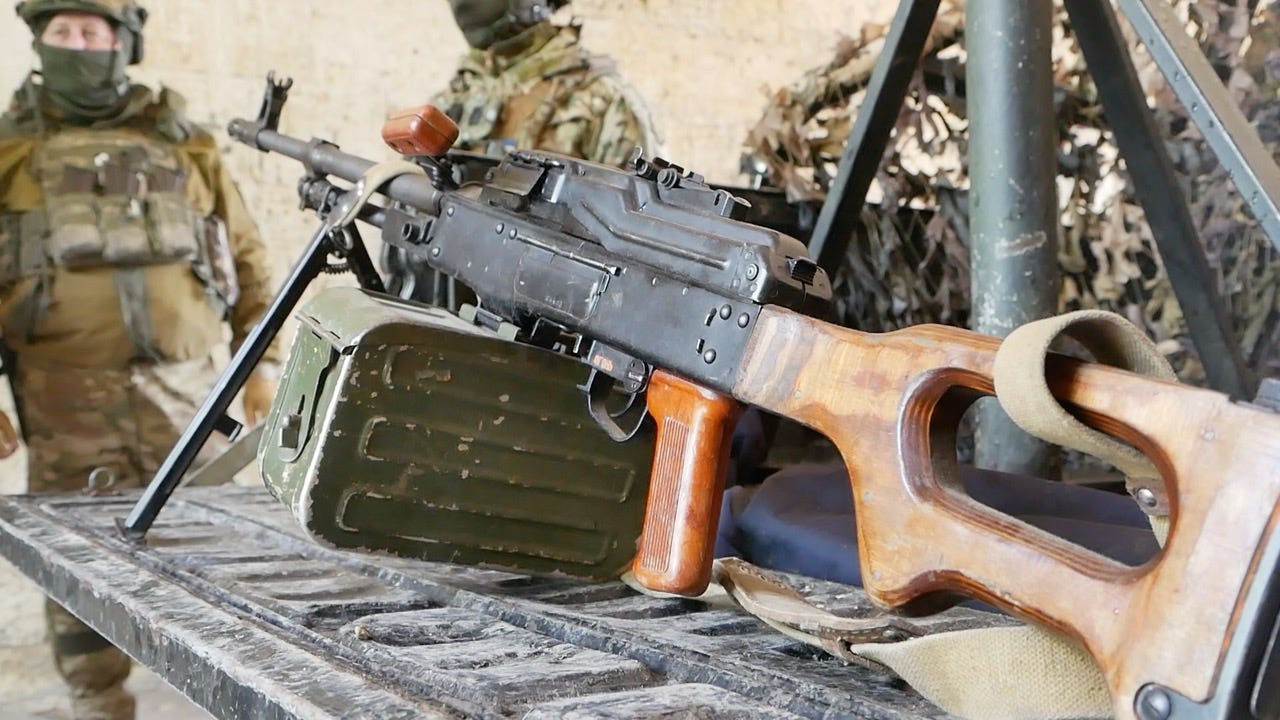
Bravery here is not an abstraction. It is lived, daily, in acts large and small. Ukraine has too many basements with too many stories—but also a surplus of courage. If Americans grasped a fraction of what I have witnessed, we would never again underestimate the value of democracy, or doubt the power of ordinary people to defend it.
For more reporting from Ken Harbaugh, subscribe to his Substack here:
Your support of the Meidas+ Substack allows us to bring you reports like this. Consider joining now as a paid subscriber to keep us going.
We certainly could learn from our Ukrainian friends in how to fight authoritarianism.
How to Save a Democracy
By Laura Gamboa, Assistant Professor at Norte Dame University
Published in Foreign Affairs
The following is an excerpt.
“For democracy to survive, it must be protected. In the past few decades, in countries such as Argentina, Brazil, Colombia, and Poland, opposition groups pushed back successfully against leaders with authoritarian tendencies early in the process of democratic backsliding, when they still had institutional levers to pull. But in other cases, such as Bolivia, El Salvador, Turkey, and Venezuela, oppositions either failed to act with sufficient urgency or used tactics that lost them their institutional levers, gradually hindering their ability to resist.
In the United States, the opposition’s response to the threat so far has been underwhelming. Reeling from electoral defeat and shocked by the blitz of the Trump administration’s power grabs, politicians and civil society groups are uncertain about the path forward and hesitant to take bold steps.
This delay is costly. If American democracy is to prevail, pro-democracy forces must follow the handbook that has enabled oppositions to stop would-be autocrats in other countries. They should coordinate to defend and expand their institutional powers while they have them, wield them to obstruct Trump’s authoritarian agenda, strengthen grassroots resistance efforts, and protect the activists, officeholders, and other individuals exposed to retribution from the administration. The alternative may be that democracy slips away while they wait.”
From The Peaceful Solution:
A Bold Step
We, the people, still have the power of the purse. No one can control our spending, or lack of spending. The other peaceful options are failing. Time is of the essence. We must go on a spending strike until the business community stops supporting His Royal Heinous and the politicians who enable him.
Stop participating. Nearly 70% of the U.S. economy is driven by consumer spending. You and me. Hobble the economy and the stock market.
Economic warfare is the only thing the oligarchs, the business community will understand and act on. Call it a Surreptitious General Strike (Quiet Quitting). Go to work, do as little as possible. Stop spending money except on essentials. Quit feeding the corporate beast that supports HRH.
This is how we can stop the fascist takeover.